
Malware Application Analysis on Android Using Reverse Engineering and the D4I Framework
DOI:
https://doi.org/10.55732/3zf9tx13Keywords:
Android application security, malware analysis, reverse engineering, D4I FrameworkAbstract
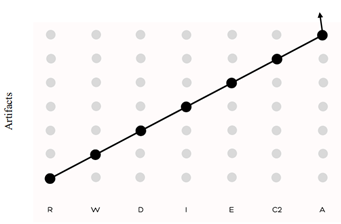
The Undangan.apk application on the Android platform has been subjected to in-depth analysis to evaluate the potential security threats it poses. Through a series of analysis methods, including Qu1cksc0pe, dynamic analysis, reverse engineering, and analysis using the D4I Framework, we were able to uncover that this application harbors serious potential in stealing user data and accessing sensitive information. Qu1cksc0pe provided insights into the application's characteristics and permissions granted, while dynamic analysis highlighted the application's communication with an external server via the Telegram bot API. Reverse engineering analysis confirmed the application's intention to steal SMS OTPs and transmit them to a specific server. The D4I Framework identified the sequence of events and relationships between artifacts in the attack, providing deeper insight into the workings and progression of the attack. Thus, the Undangan.apk application poses a significant threat that necessitates appropriate security response actions to protect users from associated security risks.
Downloads
Published
Issue
Section
License
Copyright (c) 2025 Journal of Computer Science and Visual Communication Design

This work is licensed under a Creative Commons Attribution-ShareAlike 4.0 International License.


